Description
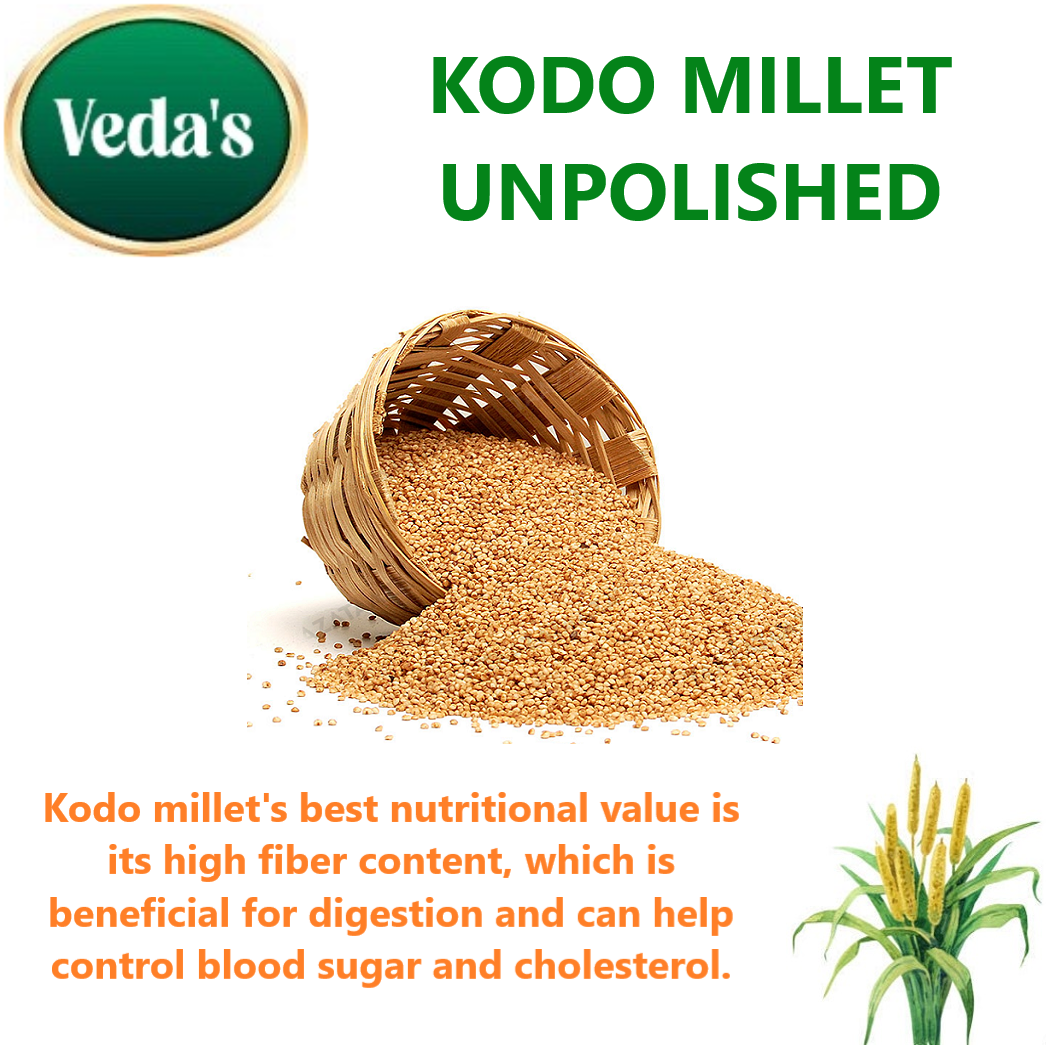
KODO MILLET – Koovaragu, Varagu, Arikelu, Arka, Kodo/Kodon, Kodra
Kodo millet is a gluten-free, nutrient-dense ancient grain known for its high fiber content and low glycemic index, making it beneficial for managing diabetes, weight, and heart health.
Health Benefits
Diabetes Management: Its low glycemic index helps regulate blood sugar and insulin levels, preventing sudden spikes.
Weight Loss: The high fiber and protein content promotes satiety, reducing overeating and aiding in weight management.
Digestive Health: Abundant insoluble fiber ensures regular bowel movements and helps prevent constipation.
Heart Health: Antioxidants and minerals like magnesium and potassium help lower “bad” cholesterol (LDL) and manage blood pressure, reducing the risk of cardiovascular diseases.
Gluten-Free: It is a naturally gluten-free grain, suitable for individuals with celiac disease or gluten intolerance.
Rich in Antioxidants: Contains phenolic compounds that help fight free radicals, reduce inflammation, and may lower the risk of certain cancers.
Nutritional Facts (Per 100g)
Energy: ~346 kcal
Carbohydrates: ~59.2 g
Protein: ~10.6 g
Dietary Fiber: ~10.2 g (significantly higher than rice/wheat)
Fat: ~4.2 g (low, with beneficial polyunsaturated fatty acids)
Minerals: Rich in calcium (27mg), phosphorus (188mg), magnesium, iron, and zinc.
Vitamins: Good source of B vitamins, including niacin, thiamine, and riboflavin.
Allergens: Millets are generally Allergen-Friendly (Except for Specific Grain Issues) and Gluten-Free and millet allergies are rare. Protein Allergies: Millets contain proteins. If you have a known allergy to a specific type of grain or protein (e.g., certain types of seeds/grains), you should be cautious.
How to Use
Soak the millet 8-12 hours for optimal cooking and digestion.
Kodo Millet “Rice”: Cook it with a 1:2.5 ratio of millet to water (similar to rice) and serve as a replacement for white rice with curries or dals.
Porridge or Upma: A popular breakfast option, it can be cooked into a comforting porridge (sweetened with jaggery or honey) or a savory upma with vegetables.
Breads and Baked Goods: The flour can be blended with other flours to make rotis, muffins, or biscuits.
Fermented Foods: Use the batter to prepare traditional South Indian dishes like idlis and dosas.
One-Pot Meals: It works well as a base for dishes like pulao or khichdi, absorbing flavors effectively.
Considerations/Caution
Soaking is Essential: Kodo millets contain “anti-nutrients” like phytic acid and polyphenols, which can reduce mineral absorption. Soaking the millet for a few hours before cooking (and using the same water to cook to retain soluble nutrients) helps break down these compounds and improves digestibility.
Thyroid Function: Millets contain goitrogens, which may interfere with iodine uptake in the thyroid gland if consumed in very large amounts. Individuals with thyroid conditions should consume kodo millet in moderation and consult a healthcare professional.
Gradual Introduction: If you are new to high-fiber diets, introduce kodo millet gradually to avoid minor digestive discomfort like gas or bloating.
Contamination Risk: Ensure the millet is clean and free from fungal contamination (e.g., Aspergillus species), as consuming contaminated grain can cause “kodo poisoning” with symptoms like nausea and vomiting.
Reviews
There are no reviews yet.