Description
LITTLE MILLET – Chama/Chama Ari, Kutki, Samai, Samalu, Gajro
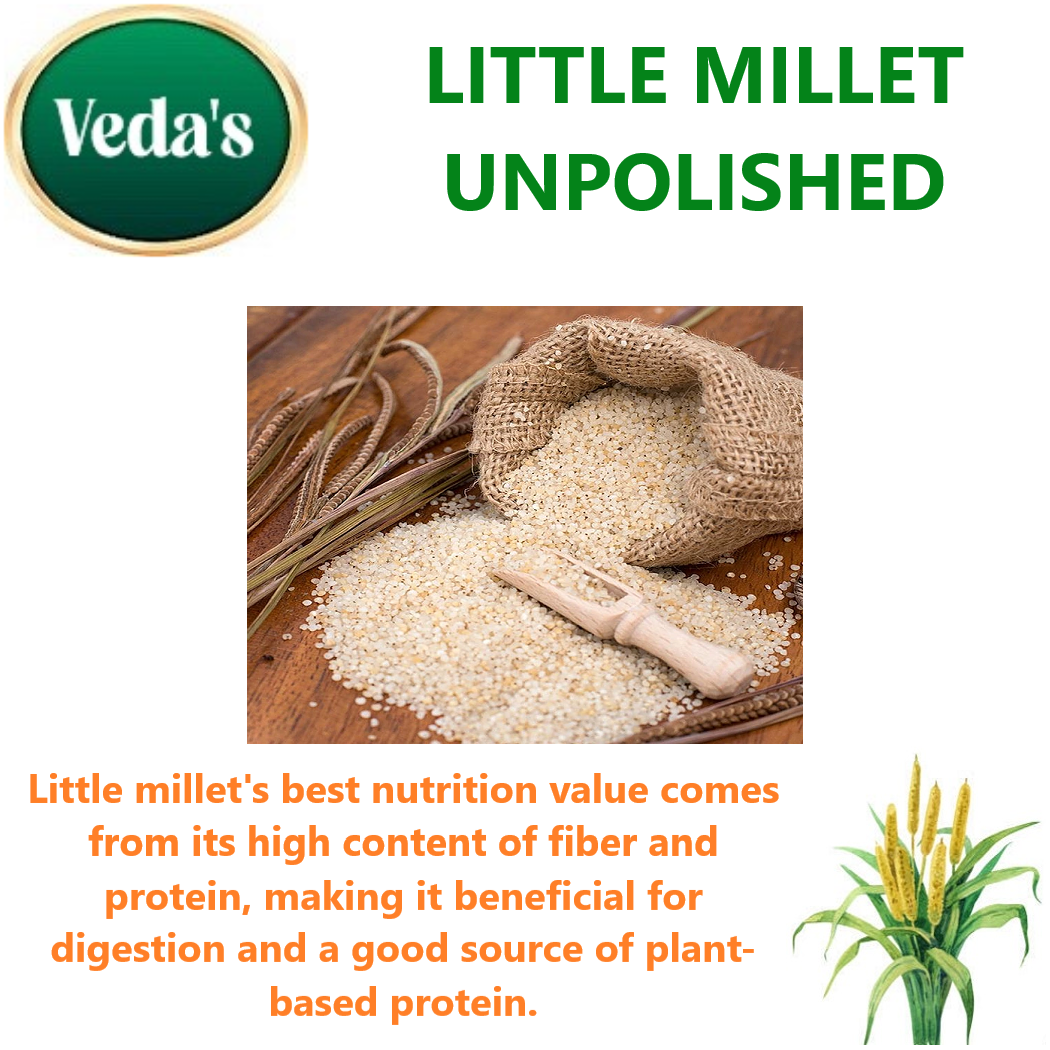
Little millet (Panicum sumatrense) is a nutritious, gluten-free ancient grain, packed with fiber, protein, and essential minerals. It is known for a low glycemic index, making it beneficial for managing blood sugar and weight.
Allergens: Millets are generally Allergen-Friendly (Except for Specific Grain Issues) and Gluten-Free and millet allergies are rare. Protein Allergies: Millets contain proteins. If you have a known allergy to a specific type of grain or protein (e.g., certain types of seeds/grains), you should be cautious.
Health Benefits
Diabetes Management: The high fiber content and low glycemic index ensure slow digestion and gradual release of glucose into the bloodstream, helping regulate blood sugar levels.
Weight Management: The high fiber and protein content promote satiety, helping you feel fuller for longer and reducing overeating.
Improved Digestion: Rich in dietary fiber, it aids healthy digestion, prevents constipation, and can relieve symptoms of gastrointestinal issues.
Heart Health: It contains essential minerals like magnesium and potassium, which help maintain blood pressure and lower bad cholesterol (LDL), supporting cardiovascular health.
Rich in Antioxidants: Little millet is an excellent source of antioxidants, such as flavonoids and tannins, which combat oxidative stress and reduce the risk of chronic diseases.
Bone Health: A good source of calcium, phosphorus, and magnesium, it contributes to stronger bones and can help prevent conditions like osteoporosis.
Gluten-Free: It is naturally gluten-free, making it a suitable and healthy alternative for individuals with celiac disease or gluten sensitivity.
Nutritional information for a 100g serving of raw little millet:
Calories ~207 kcal
Carbohydrates ~67 g
Protein ~7.7 g
Fat ~4.7 g
Dietary Fiber ~7.6 – 9.8 g
Iron ~9.3 mg
Calcium ~17 mg
Magnesium ~119 mg
Phosphorus ~285 mg
How to Use
Soak the millet 8-12 hours for optimal cooking and digestion.
Rice Substitute: It can be cooked using a 1:2 ratio of millet to water and used in place of rice in dishes like pilafs, biryanis, and as a side dish.
Porridges: It is excellent for both sweet and savory porridges for breakfast or as a light meal.
Baked Goods: Little millet flour can be used to make flatbreads (rotis), pancakes, cakes, and cookies.
Traditional Dishes: Common preparations include upma, pongal, khichdi, idli, and dosa.
Considerations/Caution
Thyroid Concerns: Little millet contains goitrogens, which may interfere with iodine absorption and thyroid function if consumed in excess, especially by individuals with existing thyroid conditions.
Digestive Discomfort: Due to its high fiber content, overconsumption, especially without adequate water intake, may cause bloating or gas in some individuals.
Nutrient Bioavailability: Millets contain anti-nutritional factors like phytates and tannins, which can reduce the absorption of minerals. Soaking and thorough cooking can help mitigate these effects.
Reviews
There are no reviews yet.