
Description
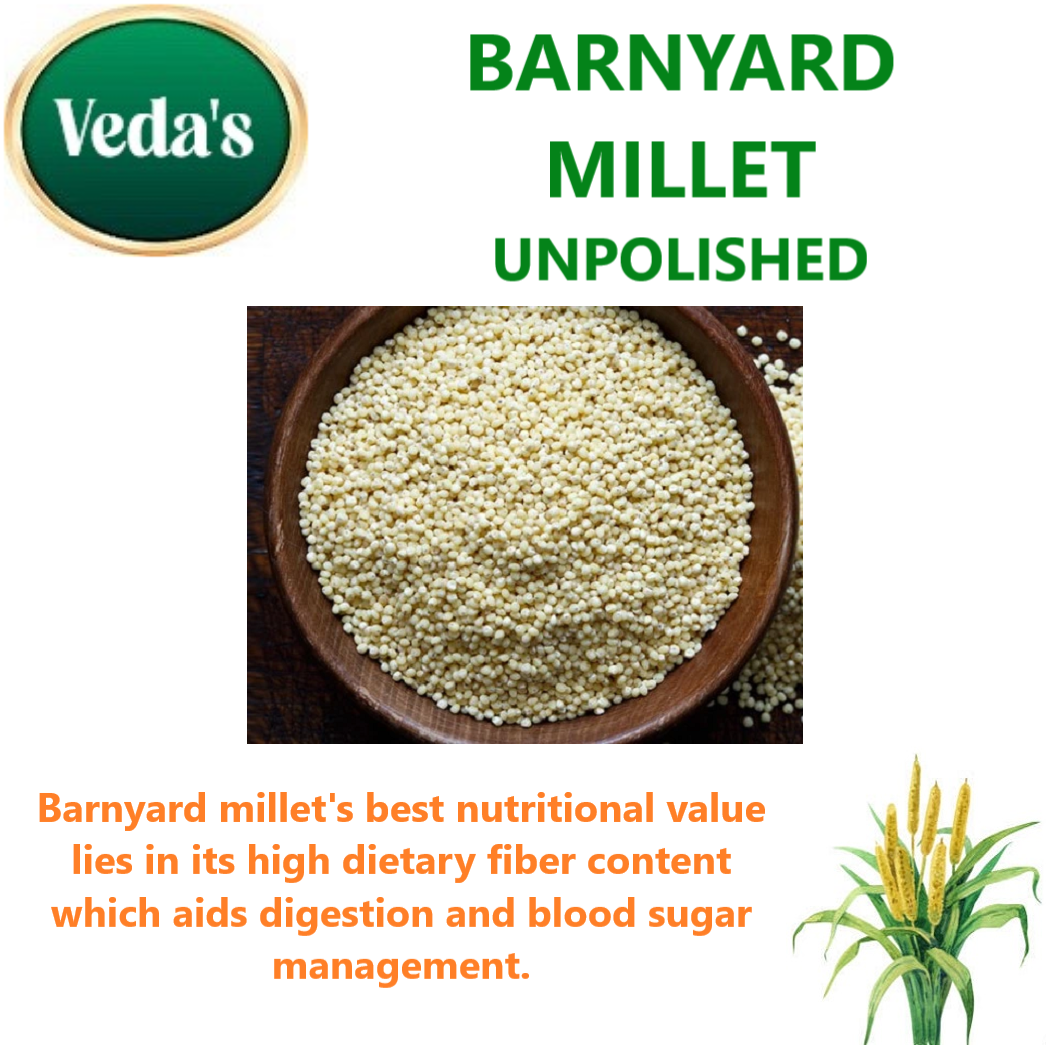
BARNYARD MILLET – Kavadapullu/Cholam, Kuthiravali, Udalu, Bhagar, Shyama, Sanwa, Sama
Barnyard millet is a highly nutritious, gluten-free ancient grain, valued for its high fiber and low glycemic index, making it an excellent alternative to refined grains like rice and wheat.
Health Benefits
Diabetes Management: The low glycemic index (GI) of barnyard millet means it releases glucose slowly into the bloodstream, helping to regulate blood sugar levels and preventing sudden spikes, making it an ideal choice for people with diabetes.
Weight Management: Being rich in fiber and protein, it promotes a feeling of fullness and satiety, which helps control appetite, reduce cravings, and aid in weight loss efforts.
Heart Health: Its high fiber, magnesium, and antioxidant content help lower bad cholesterol (LDL) levels, manage blood pressure, and reduce the risk of cardiovascular diseases.
Digestive Health: The abundant dietary fiber, both soluble and insoluble, supports healthy digestion, ensures regular bowel movements, and can provide relief from constipation, bloating, and acidity.
Rich in Antioxidants: It contains potent antioxidants like polyphenols and flavonoids that combat oxidative stress, reduce inflammation, and support overall cellular health.
Strong Bones and Anemia Prevention: It is a good source of calcium, phosphorus, and iron, which are essential for maintaining strong bones and teeth and for preventing iron deficiency anemia.
Nutrition Facts (per 100g raw) (can vary slightly)
Calories: 300-360 kcal
Protein: 10.5-11 g
Total Fat: 3.6-4.0 g
Total Carbohydrates: 55-73.4 g
Dietary Fiber: 6.7-14 g
Iron: 5-19 mg
Magnesium: 83-174 mg
Calcium: 11-22 mg
Phosphorus: 280-340 mg
Allergens: Millets are generally Allergen-Friendly (Except for Specific Grain Issues) and Gluten-Free and millet allergies are rare. Protein Allergies: Millets contain proteins. If you have a known allergy to a specific type of grain or protein (e.g., certain types of seeds/grains), you should be cautious.
How to Use
Soak the millet 8-12 hours for optimal cooking and digestion.
As a Rice Substitute: It can be cooked like rice (using a 1:2 millet-to-water ratio) and served with curries, sambar, or used in pilafs and biryanis.
Porridge: Cook it with milk or water for a healthy and filling breakfast porridge, adding nuts, fruits, or jaggery for flavor.
Indian Breads/Snacks: Use the flour to make rotis (flatbreads), dosas, idlis, or upma.
Salads and Soups: Cooked and cooled millet can be a great addition to salads, stews, and soups.
Considerations/Caution
Anti-nutrients: Like other whole grains, barnyard millet contains some natural compounds like phytates and tannins. Soaking the millet before cooking can help reduce these compounds and improve nutrient absorption.
Thyroid Function: Individuals with pre-existing thyroid conditions should consume millets in moderation and consult a healthcare provider, as excessive intake might have goitrogenic effects.
Digestion: Due to its very high fiber content, introducing barnyard millet into your diet gradually is recommended to avoid temporary digestive discomfort like gas or bloating.
Reviews
There are no reviews yet.