Description
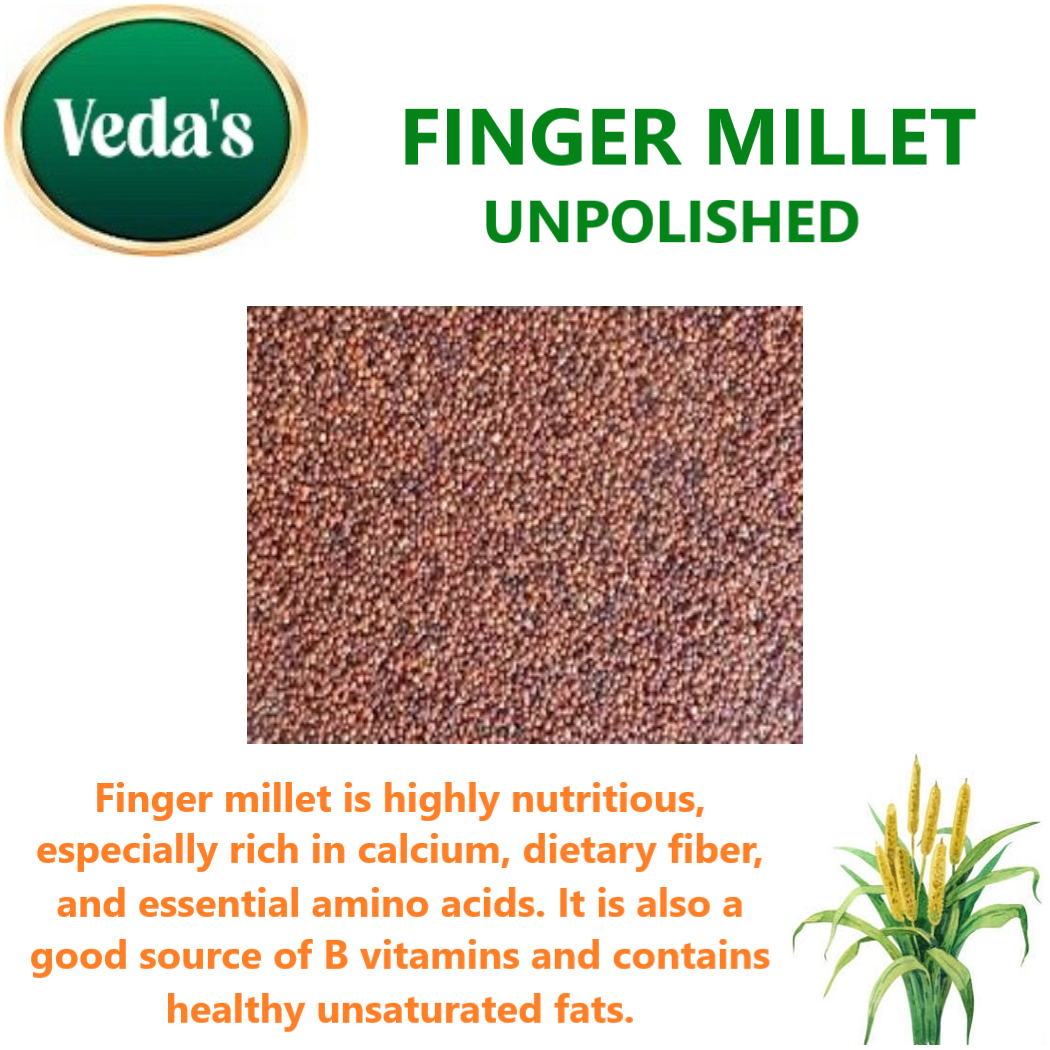
FINGER MILLET – Ragi, Moothari, Koorava, Panji Pullu, Kezhvaragu, Taidalu, Nachni, Mandua
Finger millet is a nutrient-dense grain packed with protein, fiber, calcium (highest among cereals), iron, and antioxidants, offering benefits for bone health, digestion, blood sugar control (low glycemic index), weight management, and heart health, while being naturally gluten-free and easy to digest. It’s a great weaning food and supports overall vitality due to its rich micronutrient profile, including essential amino acids. In summary – Finger millet is a superb, resilient grain, but proper preparation is key to maximizing its incredible health benefits, making it a future food staple.
Nutrition Facts (per 100g, approximate)
Calories: ~336-385 kcal
Protein: ~7-8 g
Carbohydrates: ~72-75 g
Dietary Fiber: ~11.5-20 g (very high)
Calcium: ~344 mg (highest among grains)
Iron: ~3.9 mg
Magnesium: ~137 mg
Phosphorus: ~283 mg
Potassium: ~408 mg
Fat: ~1.3 g (low, mainly unsaturated)
Health Benefits
Bone Health: Excellent calcium source, preventing osteoporosis, especially in kids and elderly.
Blood Sugar Control: High fiber and low glycemic index slow sugar absorption, beneficial for diabetics.
Digestive Health: High fiber promotes regular bowel movements and gut health.
Weight Management: Fiber and protein increase satiety, aiding weight loss.
Heart Health: Low sodium/cholesterol, niacin (Vit B3) helps manage cholesterol levels.
Gluten-Free: Safe for celiac disease and gluten allergies.
Rich in Antioxidants: Polyphenols, tannins, and phytates protect cells from damage.
Energy & Vitality: Provides sustained energy and essential amino acids.
Allergens: Millets are generally Allergen-Friendly (Except for Specific Grain Issues) and Gluten-Free and millet allergies are rare. Protein Allergies: Millets contain proteins. If you have a known allergy to a specific type of grain or protein (e.g., certain types of seeds/grains), you should be cautious.
How to Use
Soak the millet 8-12 hours for optimal cooking and digestion.
Make porridge, chapatis, idlis, dosas, or smoothies.
Use as a nutritious baby food (weaning).
Substitute for whole wheat flour in baking.
Considerations/Caution
Processing: Contains anti-nutrients (tannins) that hinder mineral absorption; processing (soaking, sprouting, fermentation, hydrothermal treatment) is crucial to unlock nutrients.
Cultivation: Hardy crop, tolerates low fertility, drought, and heat, making it a climate-resilient staple.
Selection: Choose whole grain options for maximum benefit; different varieties (milky cream, brown, black) offer slight nutritional variations.
Reviews
There are no reviews yet.