
Description
PROSO MILLET – Varak/Varak Ari, Panivaragu, Chena, Barri, Varigalu
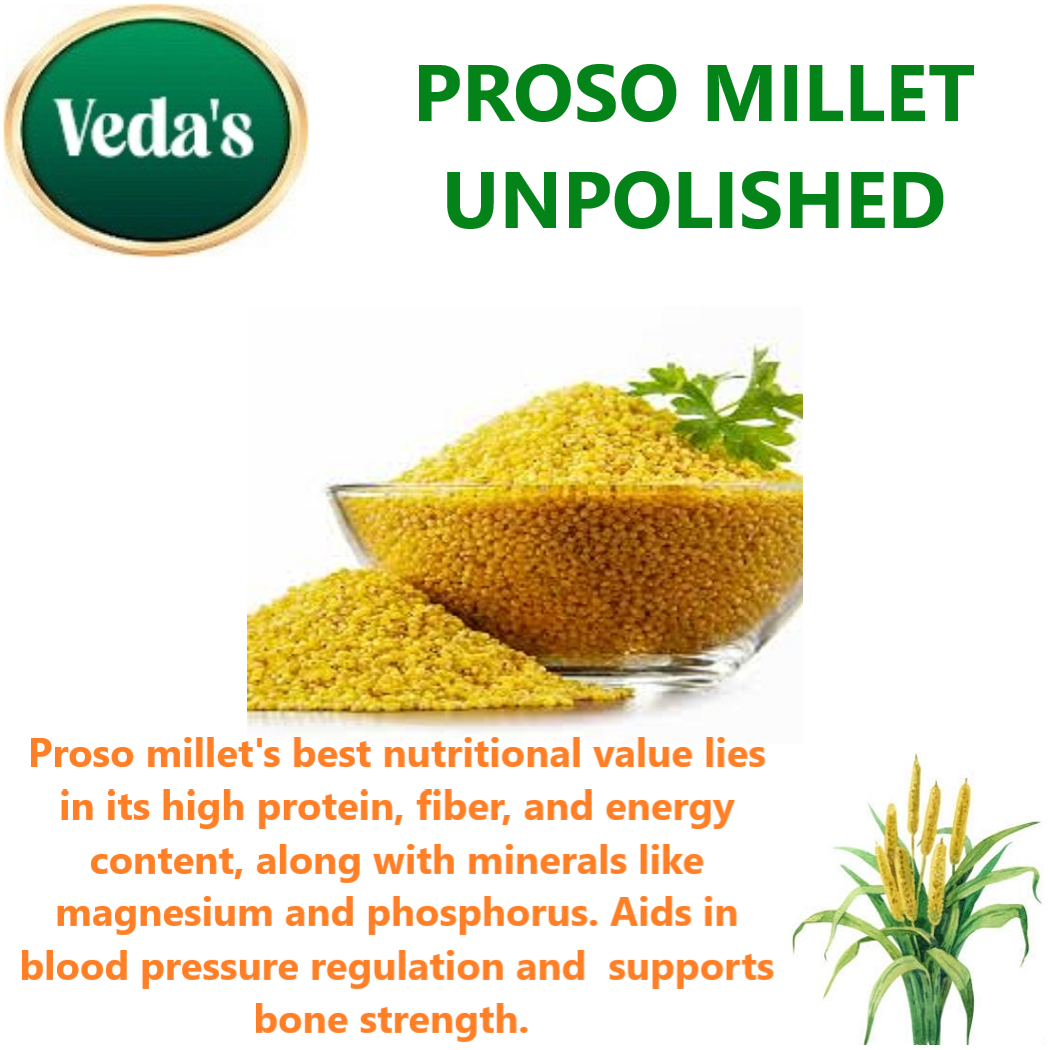
Proso millet is a highly nutritious, gluten-free, whole grain that offers numerous health benefits, including improved heart health, blood sugar control, and digestion. It is known for having one of the highest protein contents among small millets and is versatile in culinary uses.
Health Benefits
Heart Health: Rich in magnesium and potassium, it helps manage blood pressure and lower the risk of heart disease and strokes. Its fiber and phytic acid content also help reduce “bad” (LDL) cholesterol and increase “good” (HDL) cholesterol.
Diabetes Management: Proso millet has a low glycemic index (GI), which means it prevents rapid spikes in blood sugar levels, making it a suitable grain for individuals with diabetes or insulin resistance.
Digestive Health: Its high fiber content acts as a probiotic, supporting healthy gut bacteria, promoting regular bowel movements, and alleviating issues like bloating and constipation.
Weight Management: The combination of high protein and fiber promotes a feeling of fullness for longer periods, which helps control appetite and reduce overall calorie intake.
Bone Health: It is a good source of minerals like calcium, phosphorus, and manganese, which are essential for maintaining strong bones and preventing conditions like osteoporosis.
Antioxidant Properties: Proso millet contains various antioxidants (curcumin, quercetin, ellagic acid, catechins) that help fight free radicals, reduce inflammation, and support the body’s detoxification processes.
Gluten-Free: It is naturally gluten-free, making it an excellent alternative for people with celiac disease or gluten intolerance.
Nutrition Facts (per 100g raw millet) (generally falls within these ranges)
Energy 309–382 kcal
Protein 8.3–12.5 g
Carbohydrates 65.9–75.1 g
Fat 1.1–4.2 g
Dietary Fiber 7–14.2 g
Calcium 14–27 mg
Iron 0.5–3.9 mg
Magnesium 8–119 mg
Phosphorus 206–285 mg
Potassium 195–350 mg
Allergens: Millets are generally Allergen-Friendly (Except for Specific Grain Issues) and Gluten-Free and millet allergies are rare. Protein Allergies: Millets contain proteins. If you have a known allergy to a specific type of grain or protein (e.g., certain types of seeds/grains), you should be cautious.
How to Use
Soak the millet 8-12 hours for optimal cooking and digestion.
As a rice alternative: Cook it with a 1:2.5 ratio of millet to water until the water is absorbed for a light, fluffy texture.
Porridge: Cook with milk or water for a nutritious breakfast, topped with fruits, nuts, and a sweetener.
In dishes: Add to soups, salads, stews, or stir-fries.
Flour: Use proso millet flour to make gluten-free rotis, pancakes, idlis, or other baked goods.
Snacks: Puffed proso millet can be used to make energy bars or added to snack mixes.
Considerations/Caution
Thyroid Function: Proso millet, like other millets, contains goitrogens, which can interfere with thyroid function by inhibiting iodine absorption if consumed in excess, particularly by individuals with existing thyroid disorders. Proper cooking can help minimize this effect, and those with concerns should consult a healthcare professional.
Digestive Issues: Due to its high fiber content, suddenly increasing proso millet intake may cause temporary gas, bloating, or stomach discomfort. It is best to introduce it into your diet gradually and drink plenty of water.
Antinutrients: It contains phytates, which are “antinutrients” that can reduce the absorption of some minerals like iron and zinc. Soaking or fermenting the grains before cooking can help break down these compounds.
Reviews
There are no reviews yet.