
Description
QUINOA – Kineva/Kivanova, Seema Thinai, Bathua
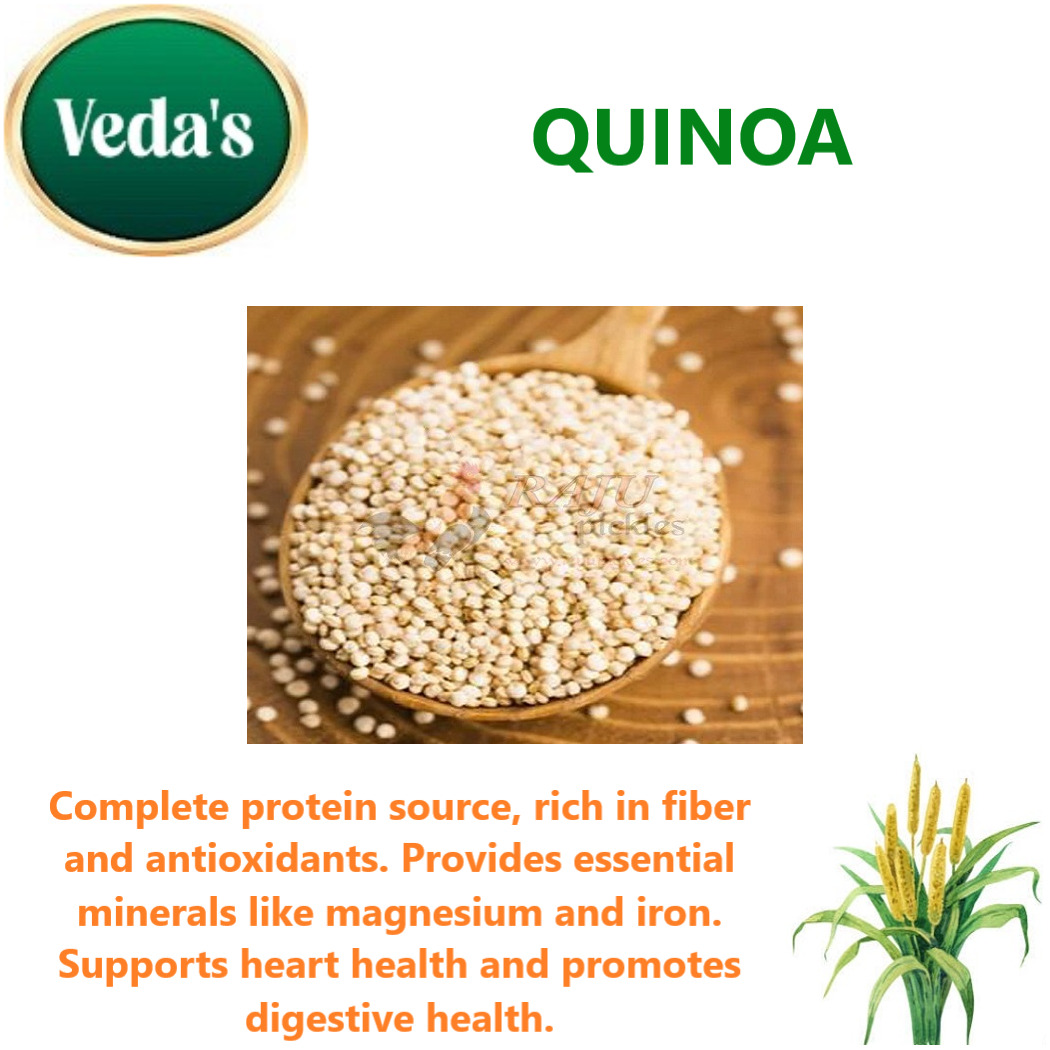
Quinoa (pronounced KEEN-wah) is a nutrient-dense pseudo-cereal seed widely regarded as a “superfood” due to its complete protein profile, high fiber content, and rich supply of vitamins and minerals.
Health Benefits
Complete Protein Source: Quinoa is one of the few plant-based foods that contains all nine essential amino acids, making it an excellent protein source for vegetarians and vegans.
Rich in Fiber: Its high fiber content aids in digestion, promotes a healthy gut microbiome, and helps you feel full longer, which can support weight management.
Manages Blood Sugar: Quinoa has a low glycemic index (GI) of 53, meaning it helps prevent sudden spikes in blood sugar levels, making it beneficial for people with diabetes.
Heart Health: The combination of fiber, healthy fats (including omega-3s), and antioxidants can help lower “bad” (LDL) cholesterol and triglyceride levels, reducing the risk of heart disease.
High in Antioxidants: It contains beneficial plant compounds like quercetin and kaempferol, which help fight free radical damage and reduce inflammation in the body.
Bone Health: Quinoa is a good source of bone-strengthening minerals, including magnesium, phosphorus, and manganese.
Gluten-Free: Alternative: Naturally gluten-free, it is a safe and nutritious option for individuals with celiac disease or gluten sensitivity.
Nutrition Facts – A 3.5-ounce (100-gram) serving of cooked quinoa
Calories: 120 kcal
Protein: 4.4 g
Carbohydrates: 21.3 g
Dietary Fiber: 2.8 g
Total Fat: 1.9 g
Key Minerals: Manganese, Magnesium, Phosphorus, Iron, Folate, and Zinc.
Allergens: Quinoa isn’t a common allergen, but allergies can occur, often linked to its storage proteins (like globulins and albumins) or residual saponins in the coating, a bitter compound removed by washing.
How to Use
Thoroughly rinse in under cold water until the water runs clear to remove any residual saponins. Though soaking is not necessary, soaking 8-12 hours will reduce phytic acid and improve digestibility. After soaking it must be drained and rinsed again.
Cooking Method: Use a 2:1 ratio of liquid (water or broth) to quinoa. Bring to a boil, then reduce heat, cover, and simmer for about 15 minutes. Let it sit, covered, for 5-10 minutes off the heat, then fluff with a fork.
Substitutions: Use it as a healthier alternative to rice, couscous, or pasta in most dishes.
Meal Ideas:
Salads: Toss cooked, chilled quinoa with fresh vegetables, chickpeas, and a light dressing.
Breakfast: Serve it as a porridge with milk, fruits, and a touch of sweetener.
Soups and Stews: Add it for extra texture, protein, and nutrients.
Baked Goods: Quinoa flour can be used in muffins, pancakes, and bread for a nutritional boost.
Considerations/Caution
Rinse Before Use: Quinoa seeds have a natural, bitter-tasting coating called saponin, which should be rinsed off thoroughly under cold running water before cooking. Most boxed quinoa is pre-rinsed, but an extra rinse doesn’t hurt.
Oxalates: Quinoa is high in oxalates, which may reduce the absorption of certain minerals and could contribute to kidney stone formation in sensitive individuals. Rinsing and cooking can help reduce the oxalate content.
Portion Control: While healthy, quinoa is still a source of carbohydrates and calories, so portion control is important as part of a balanced diet.
Reviews
There are no reviews yet.