
Description
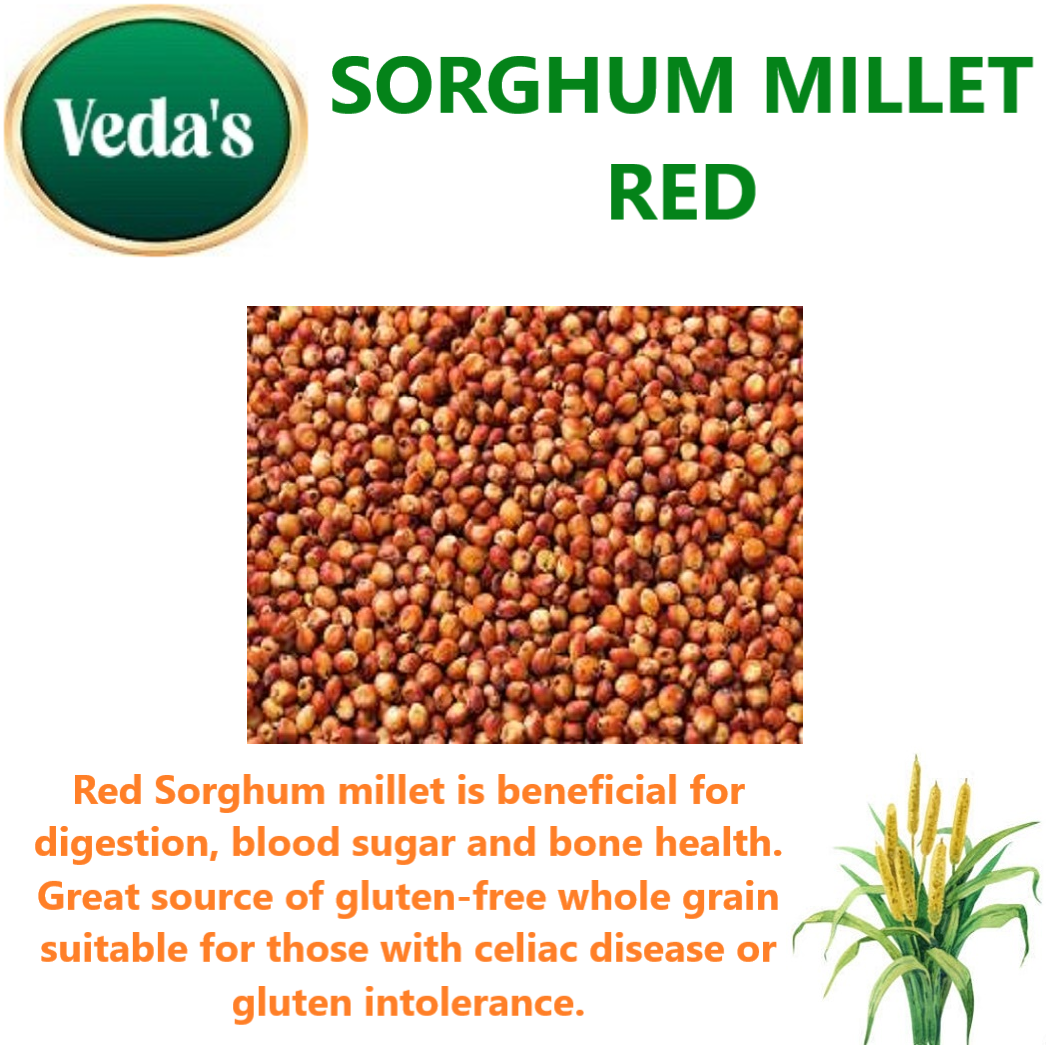
SORGHUM MILLET RED – Cholam, Jonna, Jola, Jowar, Jowari, Janha
Sorghum and “red millet” (often a type of red-colored sorghum) are nutrient-dense, gluten-free ancient grains packed with fiber, protein, and antioxidants that support digestion, heart health, and blood sugar management. They are versatile in the kitchen but should be consumed as part of a balanced diet.
Health Benefits
Digestive Health: High dietary fiber content promotes regular bowel movements, prevents constipation, and acts as a prebiotic, fostering healthy gut bacteria.
Blood Sugar Management: Their low glycemic index and complex carbohydrates ensure a slow and steady release of glucose into the bloodstream, making them an excellent choice for individuals with diabetes.
Heart Health: Fiber and phytochemicals help lower “bad” (LDL) cholesterol and manage blood pressure due to potassium content, reducing the risk of cardiovascular diseases.
Weight Management: The combination of high protein and fiber promotes a feeling of fullness (satiety), which helps control appetite and manage calorie intake.
Bone Health: They contain essential minerals like magnesium, phosphorus, and calcium, which are crucial for maintaining strong and healthy bones and preventing conditions like osteoporosis.
Antioxidant Properties: Especially in darker varieties like red and black sorghum, high levels of antioxidants (flavonoids, phenolic acids, tannins) help fight inflammation and reduce oxidative stress.
Gluten-Free: Both are naturally gluten-free, making them suitable and nutritious alternatives for people with celiac disease or gluten sensitivity.
Nutrition Facts (per 100g of uncooked Sorghum)
Calories ~329–339 kcal
Carbohydrates 72 g
Protein 11 g
Fat 3 g
Dietary Fiber 7 g
Iron ~3.36 mg
Key Minerals: Excellent source of Magnesium, Phosphorous, Potassium, B Vitamins (Thiamin, Niacin, B6).
Allergens: Millets are generally Allergen-Friendly (Except for Specific Grain Issues) and Gluten-Free and millet allergies are rare. Protein Allergies: Millets contain proteins. If you have a known allergy to a specific type of grain or protein (e.g., certain types of seeds/grains), you should be cautious.
How to Use
Soak the millet 8-12 hours for optimal cooking and digestion
As a grain: Cook the whole grains like rice or quinoa and use them in salads, pilafs, or as a hearty side dish.
Flour: Mill into flour for a gluten-free alternative in baking items like flatbreads (jowar rotis), pancakes, muffins, or cookies.
Porridge: Flaked or cracked grain can be made into a nutritious breakfast porridge.
Popped: The whole grains can be popped on the stovetop just like popcorn for a healthy snack.
Syrup: Sweet sorghum stalks are used to produce a natural syrup sweetener for use in baked goods and other foods.
Considerations/Caution
Moderation is Key: While healthy, consuming excessively large quantities may lead to digestive discomfort like gas or bloating, especially if one is not used to a high-fiber diet.
Phytic Acid: Sorghum contains phytic acids, which can interfere with the absorption of some minerals like iron and zinc. Soaking or fermenting the grains before cooking can mitigate this effect.
Thyroid Function: Individuals with thyroid issues should consume large amounts cautiously, as sorghum contains goitrogens, which can interfere with thyroid hormone production. Thoroughly cooking the grain can help to mitigate this.
Mature Grains Only: Ensure only mature, high-quality grains from reputable sources are consumed, as immature plants can contain toxins.
Reviews
There are no reviews yet.